
BDBRIM · WORKSHOP EVIDENCE
Inside BDBRIM’s Hat Manufacturing Workshop
Look at the work behind a custom cap: embroidery equipment, sewing stations and components moving through assembly. These photographs show selected activities in our workshop. Use them to start a specific production discussion for your design.
What you can see in the workshop
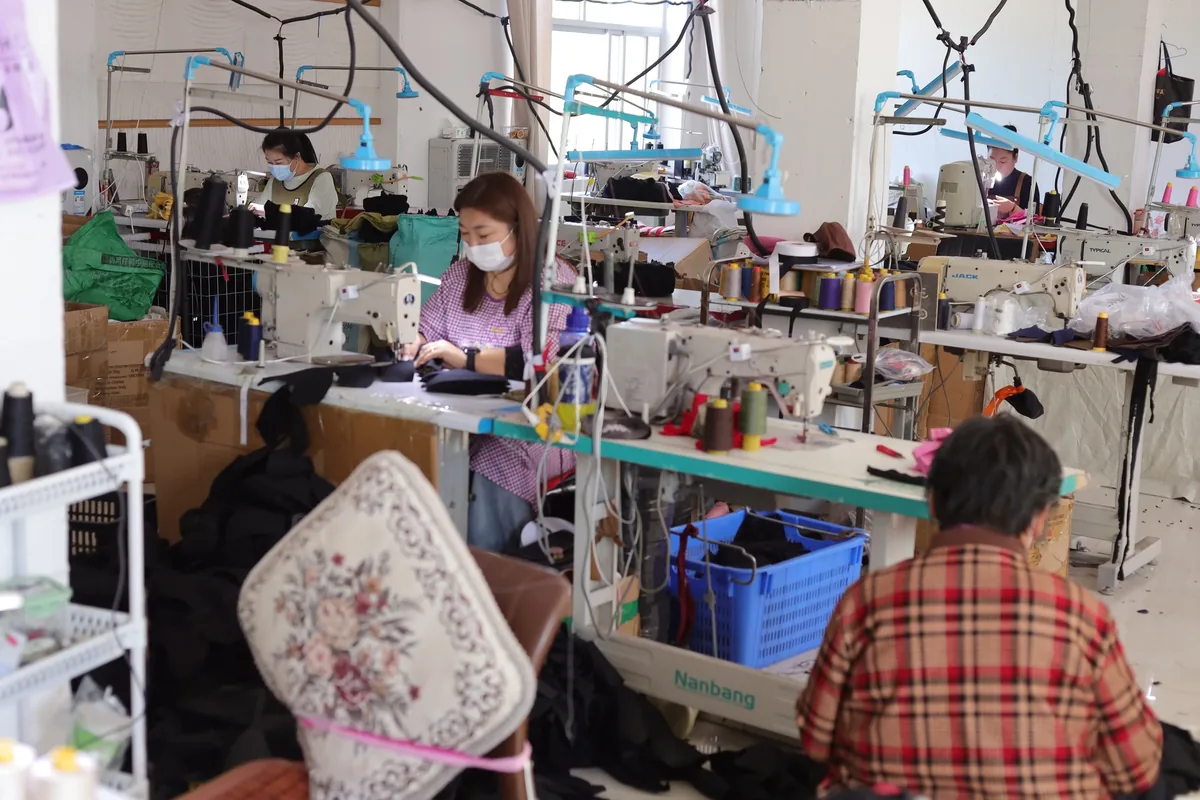
The useful question is not simply whether a supplier has a factory photograph. It is whether the work shown is relevant to the cap you intend to make. Our archive includes embroidery equipment, industrial sewing stations and cap components at different stages of assembly. The images below name those activities directly.
They are separate workshop views, not a documented sequence for one customer order. They do not establish every process location, a machine inventory, an available production slot or a completed inspection. For a new order, ask us to confirm the route, materials and checks that apply to the approved design.
Embroidery equipment and decoration planning
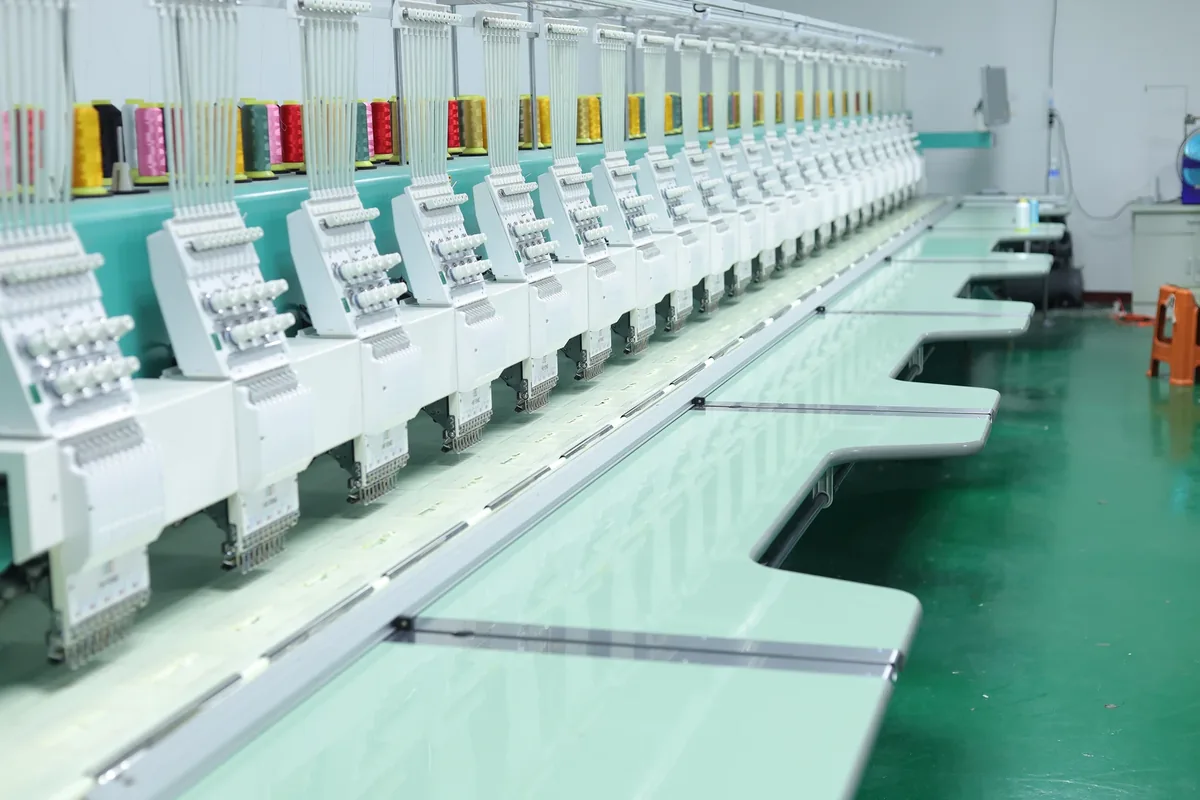
The row of machine heads and thread cones shows an embroidery working area. The production discussion still needs to identify the artwork version, its position on the cap, the intended thread colors and the material being decorated.
Decoration can enter a production route at different points. Some designs are embroidered on flat material before assembly; others require access to an assembled cap with a suitable frame. The cap construction and equipment compatibility determine the practical sequence. A workshop photograph alone does not settle that choice.
When reviewing a design with us, ask which component receives the decoration and what must be approved before the next operation begins. Our production handoff guide explains why this decision matters.
Sewing stations and cap components
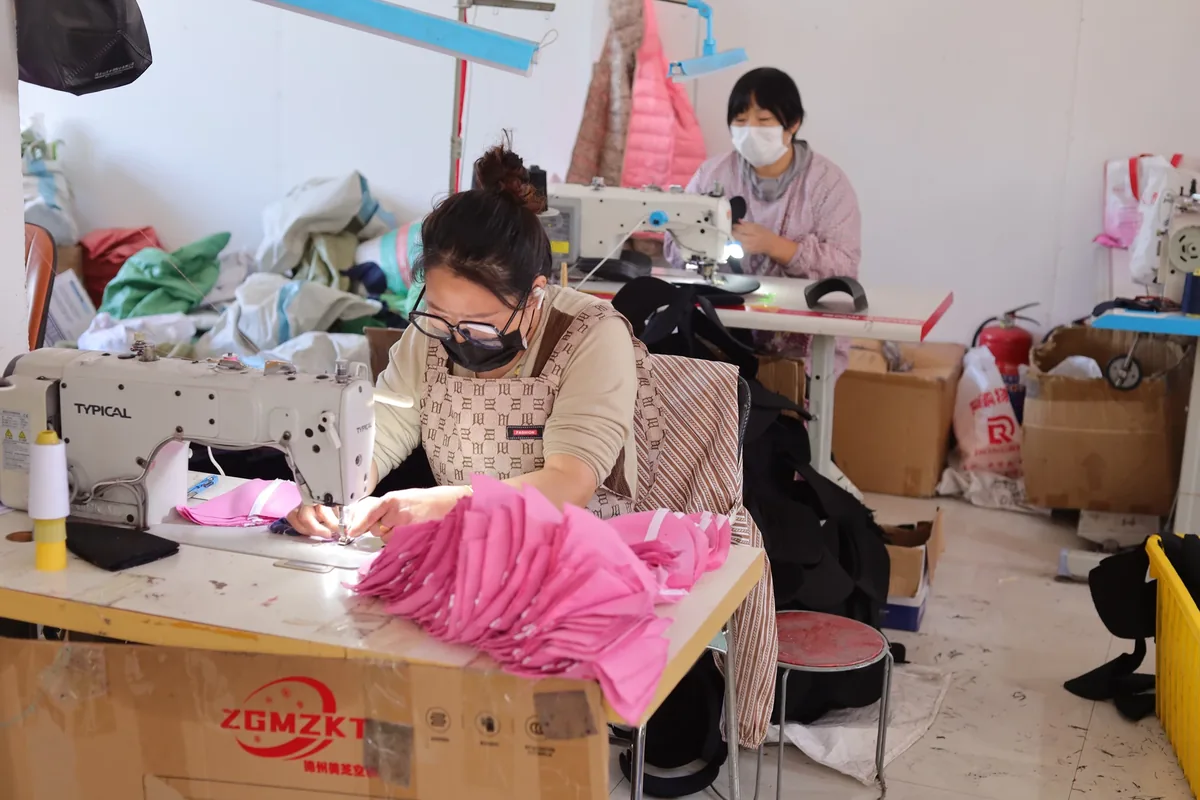
In the sewing photograph, an operator works beside a stack of matching pink components. This is a useful view of assembly work: the next operation needs the correct pieces together, not just enough pieces of approximately the same color.
For a cap order, those pieces need to remain connected to the right style, color and approved construction. A panel from an earlier pattern version or an unintended material lot can create a problem that becomes harder to correct after the crown is assembled. The relevant check is the identity and condition of the work being handed over.
Different products require different assembly routes. A mesh trucker cap, a baseball cap and a bucket hat should not be treated as interchangeable production jobs. Share the intended structure rather than asking for a generic cap specification.
Watch the selected embroidery and sewing clips
The existing BDBRIM workshop video provides another view of embroidery and sewing. It shows different production examples in a short sequence. It does not follow a single order from cutting through packing.
Use the video and photographs together to identify the operation you want to discuss. If the question concerns a stage not shown here, ask for information relevant to that stage and the proposed order. A recent, focused workshop walkthrough can be more useful than a general overview.
Open the factory video →What to verify for your own order
| Production question | Useful confirmation |
|---|---|
| Where will the work be done? | The proposed locations and responsible parties for sampling, decoration, sewing and finishing; any outside operation disclosed for the order. |
| Which version will production follow? | The approved sample and specification revision, with the material, artwork and trim references identified. |
| What will the inspection cover? | The lot, inspection scope, measurement methods, acceptance conditions and handling of defects. |
| When can the order be ready? | Material readiness, approval gates and an agreed dispatch-ready date, separate from transit and arrival. |
These are project confirmations, not promises implied by the photographs. We do not use these images to claim a fixed order quantity, production capacity, lead time or certification. Those conditions need to be checked against the actual product and order.
Read the batch quality-control guide and production schedule guide before agreeing the inspection and delivery requirements.
Connect the workshop to a product reference
A finished sample helps make a production question concrete. Browse the BDBRIM product collections for views of panel seams, mesh backs, visors, closures and decoration. The sample photographs show visible construction details; they do not establish the final material composition or commercial terms for a new order.
For the business identity and team contact, visit About BDBRIM. Send the relevant reference, the intended changes and the requirements you need us to confirm. We can then discuss the manufacturing route for that design.
Photograph sources and scope
Photographs supplied by BDBRIM from its workshop and product archive. They show different examples, not one complete order. A photograph does not establish an inspection result, output capacity or delivery commitment.
- custom-cap-sewing-production-workshop-img-1845.webp: Operators at industrial sewing stations with cap components in the BDBRIM workshop
- custom-cap-panel-sewing-workshop-img-1847.webp: An operator sewing pink cap components beside a stack of matching pieces
- industrial-embroidery-machine-and-workshop-img-1883.webp: A row of embroidery machine heads with thread cones in the BDBRIM workshop
The workshop page and original video identify the visible operations. Confirm requirements for your own order with the team.
YOUR PRODUCT · YOUR REQUIREMENTS
Ask about the route for your cap.
Share the product reference and the workshop or process details you want to verify.