
Start with one identifiable production version
This guide concerns cut-and-sewn headwear, especially baseball and trucker-style caps. Knitted hats and other constructions use different routes. Even within sewn caps, the position of decoration, the crown structure, the visor and any finishing treatment can change the order of operations.
Before components move into production, the working reference needs to be identifiable. The approved sample, pattern revision, material choices, artwork and trims must describe the same version. An attractive sample is not enough if the accompanying file still specifies an earlier closure or panel shape.
The buyer’s useful checkpoint is simple: ask which revision production will follow and how an agreed change will reach the affected operations. Keep a clear record of what was approved. This is the starting condition for manufacturing, rather than another round of design development.
Cut components must stay together correctly
Fabric is cut to the required component shapes using the production pattern. For a cap, the work may include crown panels, visor coverings and other fabric pieces. Material direction, surface appearance and the intended color combination matter as well as the outline of each piece.
The output of cutting should be a usable, identified set for the next operation. Pieces need to remain associated with the correct style, color and material lot where that distinction matters. Mixed revisions or similar-looking colors can pass unnoticed until assembly makes the mismatch obvious.
Before sewing, the receiving operation needs matching pieces, the correct seam references and any components that must already be decorated. Ask how the factory identifies work between operations. Our current workshop selection shows sewing and components; it does not document the cutting method used for a particular order.
Decoration changes the route through production
Embroidery on an accessible flat component can be completed before the cap is assembled. Embroidery on an assembled cap requires suitable access and a compatible frame. The practical route depends on the design, the material, the intended position and the equipment setup.
Before decorated pieces pass forward, check the artwork version, placement reference, orientation, thread color and the condition of the surrounding fabric. Distortion or an incorrect position may become more apparent after the panel is joined to the crown. A correct design file does not by itself prove that the physical result matches the approved cap.
Decoration that crosses a seam, sits close to a visor or interacts with a patch or other trim needs a specific production discussion. Moving it later in the sequence is not automatically a solution. Access and the assembled shape may limit what can be done.
For technical background, Tajima’s embroidery-frame documentation distinguishes frames for flat material and caps. This explains why framing affects sequencing; it is not evidence of a particular BDBRIM machine model or frame inventory.
Crown assembly and visor work need matching references
Crown panels are joined according to the construction, with inside seam treatment and reinforcement where specified. The seam layout affects the cap’s shape as well as its appearance. The operator needs the intended panel sequence and the approved construction, especially when adjacent panels use different materials or colors.
Visor work includes the specified covering and insert, followed by attachment to the crown at the appropriate point in the route. The approved shape, edge treatment and alignment need to be considered together. A visor that looks acceptable on its own may sit incorrectly when attached to the crown.
Look for twisting, uneven joins, unintended puckering and differences from the reference when work passes to the next stage. A dimensional concern should be checked with the agreed measurement method, not by comparing photographs taken from different angles. Numeric tolerances belong in the order specification; there is no single website value that fits every construction.
Closures, inside trim and finishing complete the construction
Closures, sweatbands, labels and inside trim have their own requirements. They need the correct identity, position and attachment, rather than being treated as minor details added after the main work. A correctly sewn crown can still become the wrong product if the closure or label is incorrect.
Where shaping, washing or another finishing treatment is specified, confirm where it enters the route and what appearance or measurement is expected afterward. A finishing treatment can affect the final result, so inspection needs to follow the relevant treatment. The factory photographs on this site do not establish that every possible treatment is available or performed on every cap.
Loose threads, visible marks and the presentation of the cap should be considered before final checking. The undecorated cap references provide visible examples of crown and visor construction; their images do not determine fiber composition or the specification for a new order.
Handoffs are where small mistakes become repeat work
| Handoff | What must move with the work | Check before continuing |
|---|---|---|
| Material to cutting | Material identity, color reference and pattern revision. | Is the intended material being cut to the approved version? |
| Components to decoration | Identified pieces, artwork revision and position reference. | Will the decorated piece still match the intended assembled cap? |
| Components to sewing | A matching set, construction reference and required completed decoration. | Are style, color and revision consistent across the set? |
| Assembly to finishing | Completed construction and any treatment requirements. | Are structural problems resolved before a treatment obscures or compounds them? |
| Finished goods to packing | Inspection disposition, style/color identity and packing instructions. | Are these the goods cleared for the intended cartons? |
If a problem is found, first identify the last confirmed correct state and the work affected. Replacing one panel, reworking decoration and correcting assembled caps are different tasks. Continuing with unidentified work can enlarge the quantity that needs correction. The response should be agreed with the responsible production contact.
Finished is not the same as ready to dispatch
Assembly and finishing produce the physical cap. Release requires the agreed checks and the correct packing instructions as well. Read the quality-control guide for inspection scope, records and the handling of defects. The lead-time guide explains how unresolved work affects the schedule.
Keep the approved sample identity, specification revision, artwork reference and agreed changes together. When requesting a progress update, name the product version and ask which handoff has been completed. For a mesh-back or contrast-panel design, link the relevant trucker-cap or two-tone-cap reference so the construction question is clear.
Photograph sources and scope
Photographs supplied by BDBRIM from its workshop and product archive. They show different examples, not one complete order. A photograph does not establish an inspection result, output capacity or delivery commitment.
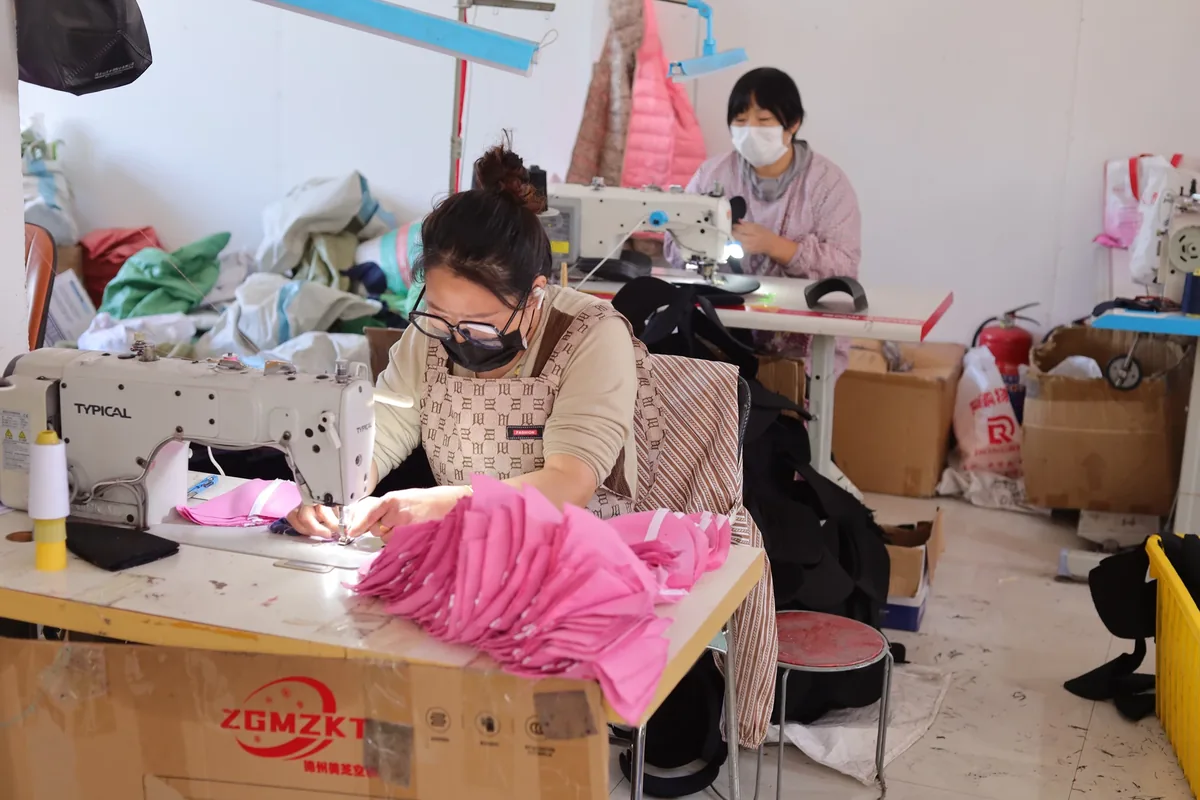
- custom-cap-panel-sewing-workshop-img-1847.webp: An operator sewing pink cap components beside a stack of matching pieces
The workshop page and original video identify the visible operations. Confirm requirements for your own order with the team.