

Define the acceptance reference first
Start with the approved product version: sample identity, written specification and the changes agreed after sampling. The inspector needs to know which reference takes priority if an older file conflicts with the final approval. A clear reference is essential before deciding whether a difference is acceptable.
For dimensions, agree the measurement points and the condition of the cap during measurement. A circumference or visor measurement taken using a different method may not be comparable. For appearance, define the relevant color and decoration references, and the conditions under which comparisons will be made.
Special requirements belong in this record too. If the order needs a particular label, closure performance or test, name it before inspection. A general quality checklist cannot supply a missing requirement or establish a universal tolerance for every hat style.
Different stages expose different risks
| Stage | Examples of what to check | Why timing matters |
|---|---|---|
| Materials and components | Identity, intended color, visible condition and correspondence with the approved materials. | An incorrect input can affect many pieces before a finished cap exists. |
| Decoration | Approved artwork, position, orientation, thread color and fabric distortion. | A decorated component may need correction before it is sewn into a crown. |
| Assembly | Panel joins, seam condition, visor alignment, closure and inside trim. | Construction problems can become harder to correct after finishing. |
| Finished goods | Agreed measurements, appearance, function and consistency across the inspected goods. | The result must be assessed after the treatments that affect it. |
| Packing | Style/color/size identity, quantities, labels and the agreed carton arrangement. | Correct caps can still be dispatched in the wrong assortment. |
These are categories to agree for an order, not a claim that a particular check or frequency has already been performed. Decide which points matter to the construction and how the results will be recorded. The production guide explains the handoffs that make early checks useful.
State the lot and the inspection coverage
A batch may contain several styles, colors, sizes or packing groups. Identify the goods covered by an inspection before discussing its result. A check of one color or one carton should not silently become approval of everything in the shipment.
Sampling and checking every item are different inspection scopes. Agree the method, the quantity or plan to be used, the distribution across the lot and the acceptance decision before work begins. If a named sampling standard is required, specify its edition and the parameters relevant to the order with the inspection provider.
A sampled inspection provides evidence about the items examined under that plan. It does not prove the absence of every defect in every unit. Conversely, a statement that goods are “checked” is incomplete unless the checked characteristics and coverage are clear. This page does not promise a fixed sampling level or a universal all-items inspection.
Separate a visible observation from an acceptance decision
A product photograph can show a seam, decoration or closure. It is a useful way to point out a concern. The conclusion still needs the correct reference and, where relevant, an actual measurement or functional check.
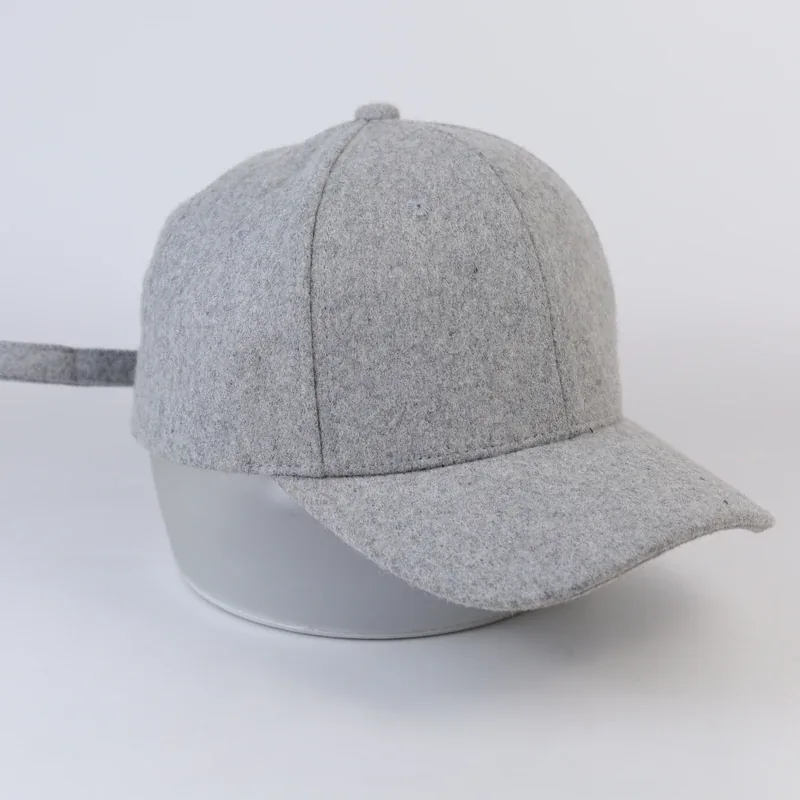
The grey cap below has visible panel seams and a curved visor. That gives a concrete starting point for discussing seam appearance and visor alignment. It does not establish fiber composition, dimensions, strength or the result of a batch inspection. Use the linked real sample page for additional product context.
Request a record that explains the result
Agree a record format that connects findings to the order. It should identify the order or lot, style and color, specification revision, inspection date, scope and the characteristics checked. Where measurements or functional checks are required, record the method and the result rather than only a general “pass.”
For a defect, include enough context to locate it: an overall view, a close view and the affected component or position. Record how many examples were found within the inspected scope. If lighting or a camera changes the apparent color, use the agreed physical reference and comparison conditions.
The record should also show the disposition: accepted, held for a decision, corrected or rejected under the agreed criteria. This is a suggested buyer record structure. We are not presenting an unpublished historical inspection report or claiming that photographs alone establish conformity.
Agree what happens when a defect is found
Define defect categories and acceptance conditions for the product with the parties responsible for inspection. Appearance concerns, functional failures and safety-related requirements can have different consequences. Do not assume a label such as “minor” means the same thing to the buyer, factory and inspector.
Identify and separate the affected goods before correction. The action may involve checking a wider scope, replacing a component, reworking the product or asking the buyer to decide whether a proposed deviation is acceptable. Record the decision and who authorized it.
After correction, recheck the affected characteristic and any other feature the repair may have changed. The record should connect the original finding, correction and recheck. A picture of a repaired example does not by itself release the rest of the affected lot. Confirm who can authorize release and whether a further independent inspection is required.
Product inspection and laboratory testing serve different purposes
Visual, dimensional and functional product checks do not by themselves establish material composition, a performance rating or regulatory compliance. If the product or destination requires laboratory testing, agree the test, method, sample selection, laboratory and reporting requirement separately. Do not substitute a workshop image or a generic certificate for a report relevant to the actual product.
Before release, connect the inspection disposition to the goods being packed. Confirm the assortment, labels, quantities and carton requirements, and resolve any held items. Read the schedule guide to distinguish manufacturing completion from inspection clearance and dispatch readiness.
For your order, send the approved reference and the quality requirements you need confirmed. Use the workshop page to identify the visible operations, and product collections to make the construction discussion specific.
Photograph sources and scope
Photographs supplied by BDBRIM from its workshop and product archive. They show different examples, not one complete order. A photograph does not establish an inspection result, output capacity or delivery commitment.
- headwear-factory-embroidery-workshop-visit-img-1912.webp: A hand holding a white fabric panel with orange, purple and white embroidery
- grey-felt-texture-blank-baseball-cap-img-1159.webp: Side view of an undecorated grey cap with visible panel seams and a curved visor
The workshop page and original video identify the visible operations. Confirm requirements for your own order with the team.