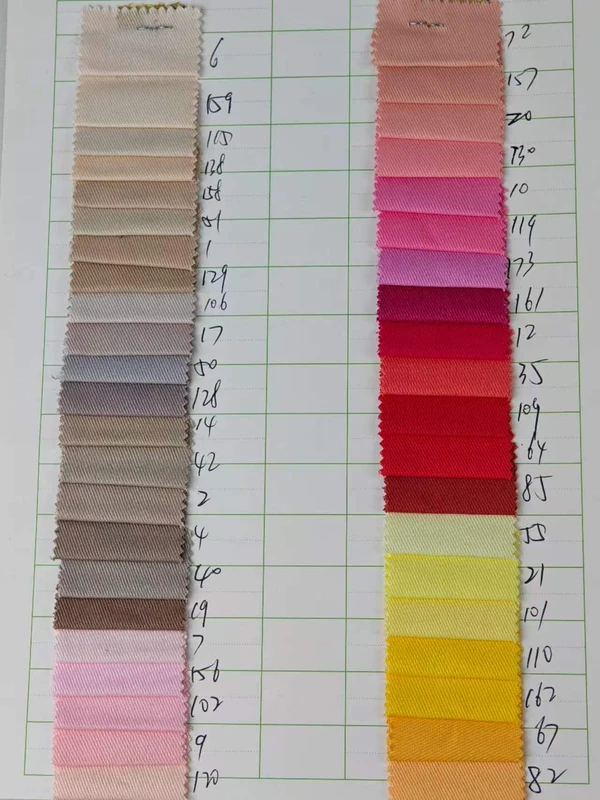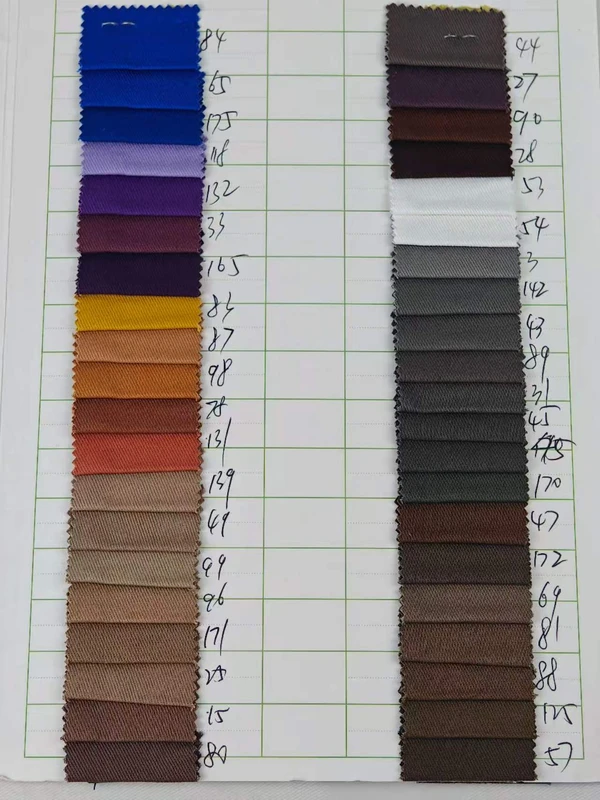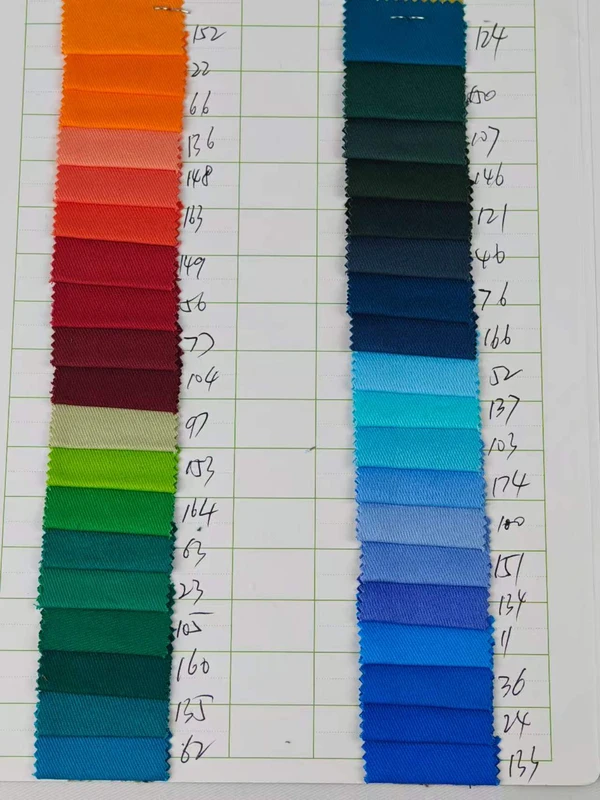
01 / The colour map
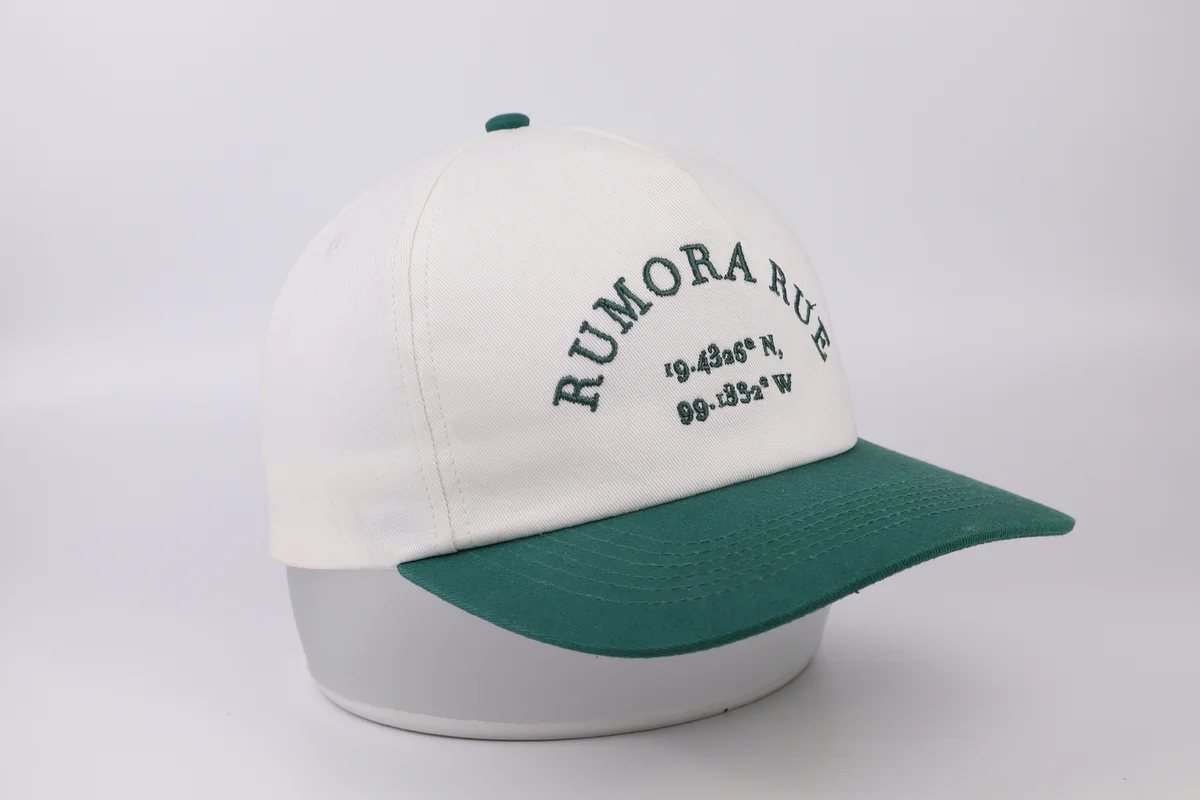
Yes, the crown and visor can be different colours.
Buyers call this a two-tone cap, contrast-visor cap or simply “a cream hat with a black brim.” The crown can use one colour and the visor another. Where construction permits, the visor's upper and lower fabrics can be specified separately too.
But the brief cannot stop at “cream and navy.” The top button, eyelets, snapback, front lettering, side logo and visor stitching may all need their own shade. In recent development enquiries, buyers asked for a cream crown and a darker visor, then separately specified a matching button and embroidery thread.
A HEX code from a mockup, a supplier's fabric-swatch number and a finished fabric colour are three different references. For a physical sample, it is worth matching the parts against real cloth instead of treating a screen shade as a production standard.
02 / Fit comes first
A five-panel A-frame is not one fixed shape.
We receive requests for five-panel snapbacks with softly curved visors and lower profiles. A-frame suggests a front shape, but it does not specify every dimension. Two caps can have the same panel count and still sit quite differently.
One development discussion started with a five-panel request while the mockup appeared to show six panels. In another, the first tech pack called for a structured front, and the buyer later asked for a soft front panel. Neither change should be guessed from the artwork: the sample instructions need to reflect the latest approved choice.
Structured or unstructured?
A firmer front can hold a taller, more defined shape. A softer front relaxes more readily. The panel pattern, support material and fabric also affect the look. “Low profile” is not simply another word for “unstructured,” and “snapback” refers to the closure rather than the crown height.
When a buyer likes the fit of a particular reference cap, front and side photos help, but a measured reference—and, where appropriate, a physical cap—is considerably better than a verbal description.
03 / Printed or embroidered?
A patterned visor starts with the fabric.
We can discuss colour-blocked visor panels, full-colour printed faces and embroidery details. Each approach has different material and process requirements. Before quoting, the factory needs the artwork, the printable surface and the intended colour of the visor's underside.
Conventional sublimation needs a compatible polyester surface.
For dye-sublimation printing, our normal recommendation is a suitable polyester fabric, or an appropriate sublimation-coated material. Standard sublimation should not be promised as a direct process on ordinary cotton. A cotton crown and a separate polyester visor face can be combined in a cap design when the materials and construction are approved.
In an anonymised custom-camouflage development discussion, the buyer wanted a printed exterior and a green interior. Since the proposed printed material needed a white base, the factory proposed adding a separate green inner layer. The buyer accepted the idea. The lesson is practical: colour placement affects the fabric build, not just the artwork.
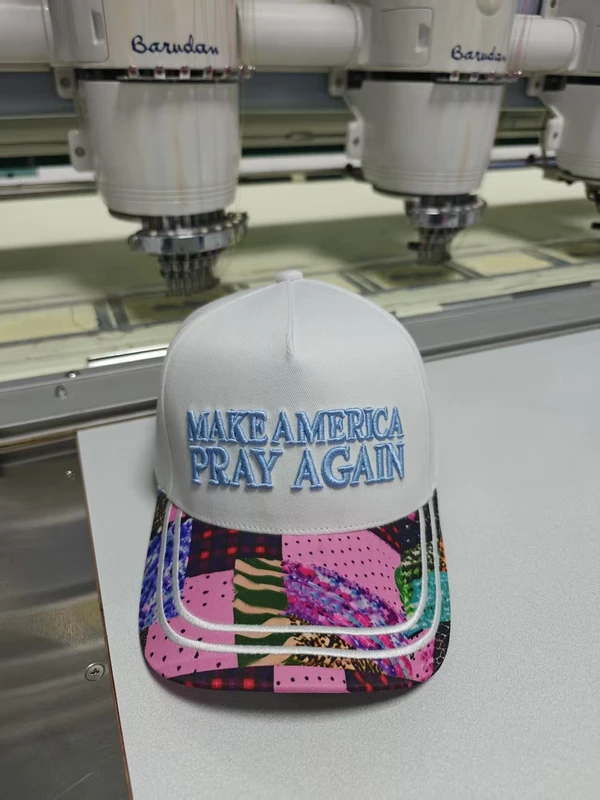
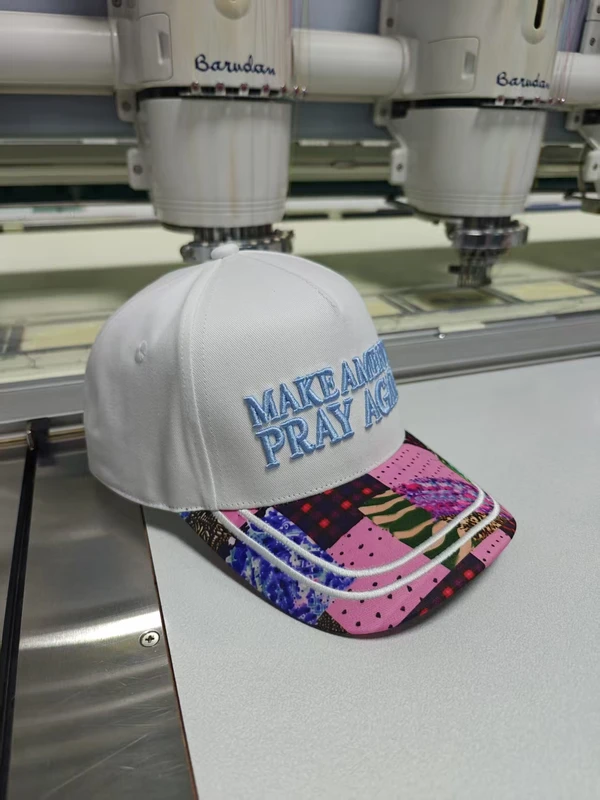
The photographs establish the visible printed pattern, but not which print technique was used on this particular cap. Nor can the white curved lines be identified as embroidery from a photo alone. Their construction needs separate confirmation.
What about embroidery on the visor?
It can be considered as a separate decoration step, with placement, artwork size and manufacturing order checked before the visor is fully assembled. The front logo and small side embroidery also need their own size and thread-colour approval.
One buyer noticed that the visor-stitching rows were missing from the tech pack. The team discussed six rows for that design, and the buyer specified matching thread colours for each colourway. Six rows were a project-specific choice, not a universal standard for all caps.
04 / Measuring the shape
“Can you make it lower?” needs a starting point.
Front crown height, cap depth and profile are related, but they are not the same measurement. A ruler held against the front of a cap can start the discussion, yet the method matters as much as the number.
Before measuring, agree on the reference point near the crown-to-visor seam and where the measurement ends. Are you measuring along the curved front panel or taking a straight vertical height? Both can be useful, but the readings are not interchangeable. Cap depth and the way the crown sits on the head may need additional reference measurements.
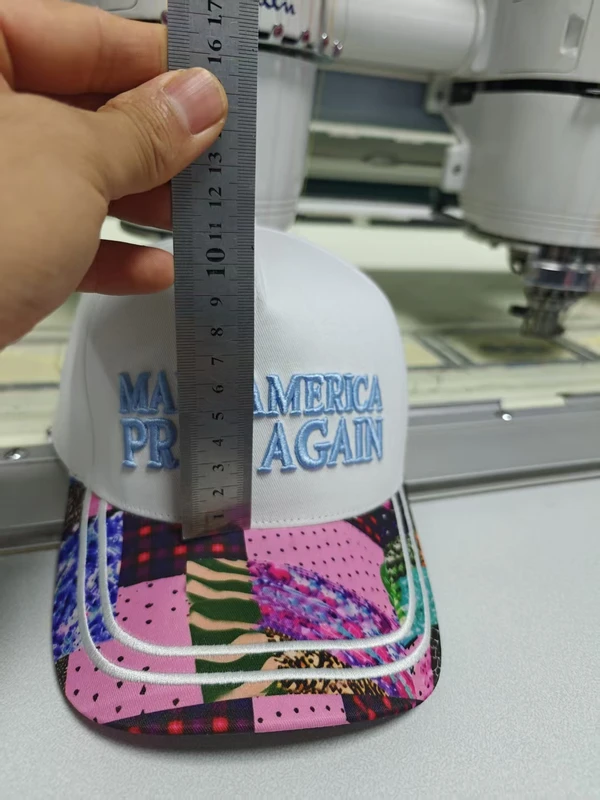
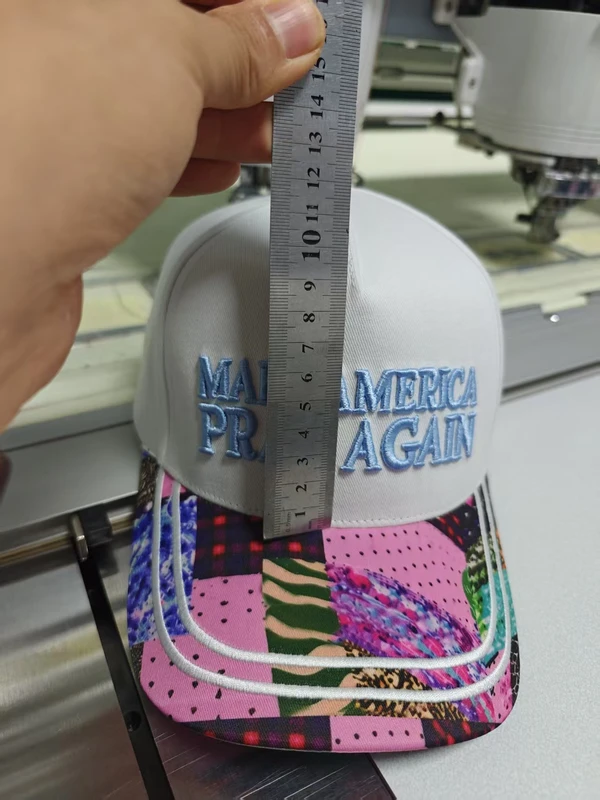
For a particular fit, a reference sample and agreed measurements prevent a low-profile request from turning into a series of mismatched mockups.
05 / Instructions for the sample room
A detailed tech pack can still leave gaps.
Useful documents say whether the cap has five or six panels, whether the front is supported, what fabrics are used, how the visor curves and which colours apply to the closure, button and embroidery. Drawings, photos and editable artwork should tell the same story.
In actual enquiries, a logo source file has differed from its visual mockup. A fabric colour has been changed after looking at swatches. A six-panel sketch has appeared beside a five-panel written request. These are routine development questions, but they should be settled in an updated sample specification rather than buried in chat history.
| Detail | Confirm before sampling |
|---|---|
| Construction | Panel count, target crown shape, front support and closure type |
| Colour placement | Crown, visor top and underside, top button, stitching and logos |
| Material | Cotton twill, mesh, polyester print face and any separate lining |
| Embroidery | Editable art, width, height, position and final stitch treatment |
| Visor finish | Curve, pattern placement, decorative treatment and stitching rows |
A cream-and-red cotton snapback, a cream-and-green variation and a camouflage-printed design may share a design direction. They do not necessarily share the same bill materials or sampling setup.
06 / Before placing a bulk order
Approve the cap—not only the mockup.
A mockup is a good tool for colour placement. It cannot confirm the hand-feel, crown depth, visor flexibility or exactly how the embroidery will sit on real fabric. Buyers may begin with one physical sample and choose a bulk quantity only after checking the result.
Before sampling, we try to settle the reference shape, physical swatch colours, print material, embroidery positions and measurement points. If those details change after the first sample, the agreed specification should change with them. For repeat colourways, preserving an approved sample and construction record makes later decisions easier.
This note brings together repeated questions from different cap development enquiries and BDBRIM's own workshop photos. They are not one combined customer order. The printed-visor image demonstrates an appearance, not a laboratory-verified fabric composition or confirmed sublimation process.